
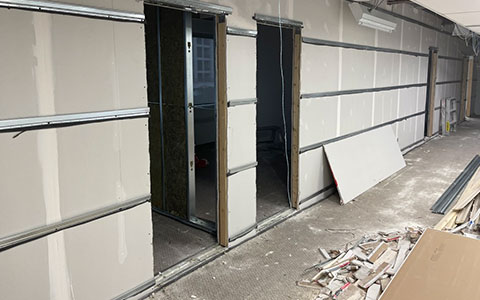
Drywall is one of the most important components of your home’s interior. It creates smooth walls and ceilings, supports paint and finishes, and helps maintain the appearance of your living spaces.
Over time, however, drywall can become damaged due to moisture, settling, impacts, temperature changes, and everyday wear and tear.
While some minor cosmetic issues may seem harmless, certain drywall problems can indicate larger structural or moisture-related concerns that should be addressed promptly.
In this guide, we’ll discuss seven common signs that your home may need professional drywall repair and when it’s time to call an experienced contractor.
Why Drywall Damage Shouldn’t Be Ignored
Many homeowners delay drywall repairs because the damage appears minor.
Unfortunately, small issues can often become larger and more expensive problems over time.
Prompt repairs can help:
- Prevent further damage
- Improve home appearance
- Protect structural components
- Maintain property value
- Avoid costly future repairs
Understanding the warning signs can help you take action before problems worsen.
1. Cracks in Walls or Ceilings
One of the most common signs of drywall damage is cracking.
Small hairline cracks can occur naturally as homes settle. However, larger or expanding cracks may indicate more serious concerns.
Common causes include:
- Foundation movement
- Structural settling
- Temperature fluctuations
- Moisture problems
- Improper drywall installation
Professional evaluation can determine whether repairs are cosmetic or require further investigation.
2. Water Stains on Drywall
Discoloration or staining on walls and ceilings often indicates water intrusion.
Potential sources include:
- Roof leaks
- Plumbing leaks
- Condensation issues
- HVAC system problems
Ignoring water damage can lead to:
- Mold growth
- Soft drywall
- Structural deterioration
- Interior finish damage
Water-damaged drywall should be repaired after the source of the moisture is corrected.
3. Sagging Ceilings
A sagging ceiling is a warning sign that should never be ignored. In older homes, it may call for ceiling and plaster repair.
Possible causes include:
- Water damage
- Structural movement
- Poor installation
- Excessive weight
If a ceiling begins to sag, professional inspection is recommended immediately to determine the cause and prevent further damage.
4. Holes and Impact Damage
Accidental impacts are one of the most common reasons homeowners require drywall repair.
Damage can result from:
- Moving furniture
- Door handles
- Children’s activities
- Home improvement projects
- Everyday accidents
Even small holes can affect the appearance of a room and should be properly repaired before painting.
5. Nail Pops and Fastener Issues
Nail pops occur when drywall fasteners begin pushing outward through the finished surface.
They often appear as small circular bumps in walls or ceilings.
Common causes include:
- Natural home settling
- Seasonal expansion and contraction
- Improper fastening during installation
Professional drywall repair can restore a smooth finish and prevent recurring issues.
6. Peeling Paint or Bubbling Surfaces
When drywall is exposed to moisture, paint may begin to peel, bubble, or blister.
While homeowners often assume the paint itself is the problem, the underlying drywall may actually be damaged.
Potential causes include:
- Hidden leaks
- Excess humidity
- Improper ventilation
- Water intrusion
Repairing the drywall and correcting the moisture source is essential for a lasting solution.
7. Visible Seams and Joint Problems
Drywall seams should be nearly invisible after proper finishing.
If seams become visible, it may indicate:
- Joint compound failure
- Structural movement
- Poor installation
- Moisture-related issues
Professional drywall finishing techniques can restore a smooth, seamless appearance.
Repair vs Replacement: Which Is Best?
Many homeowners wonder whether damaged drywall should be repaired or replaced. If replacement is needed, learn what to expect from the drywall installation process.
In many cases, repairs are sufficient for:
- Small holes
- Minor cracks
- Nail pops
- Cosmetic imperfections
Replacement may be necessary when:
- Water damage is extensive
- Mold contamination exists
- Structural damage is present
- Large sections are affected
A professional contractor can recommend the most cost-effective solution.
Benefits of Professional Drywall Repair
While DIY repairs may work for very minor damage, professional drywall repair offers several advantages.
Better Finish Quality
Experienced drywall professionals can blend repairs seamlessly into existing surfaces.
Proper Problem Diagnosis
Contractors can identify hidden causes such as moisture, structural movement, or installation defects.
Faster Completion
Professional repairs are typically completed more efficiently than DIY attempts.
Long-Term Results
Proper repair methods help reduce the likelihood of recurring issues.
How to Prevent Future Drywall Damage
While some drywall problems are unavoidable, homeowners can reduce the risk of future damage by:
- Addressing leaks promptly
- Maintaining proper humidity levels
- Inspecting roofs and plumbing regularly
- Avoiding impact damage
- Scheduling routine home maintenance
Preventative care helps extend the life of drywall surfaces throughout the home.
Contact HD Drywall & Spray Foam Insulation
At HD Drywall & Spray Foam Insulation, we provide professional drywall repair services for homeowners and businesses.
Whether you’re dealing with cracks, holes, water damage, ceiling issues, or general drywall wear and tear, our experienced team can restore your walls and ceilings to like-new condition.
Contact us today to schedule a free estimate for your drywall repair project.


