
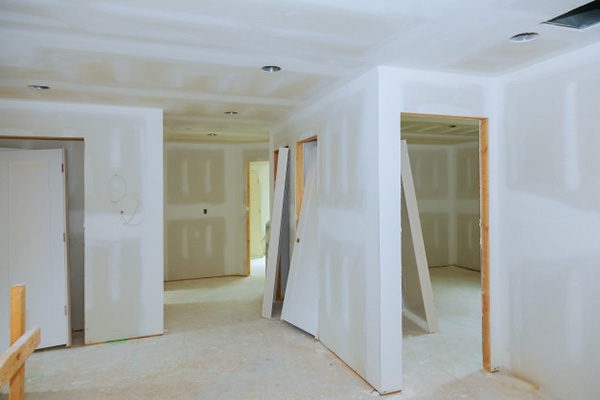
When drywall becomes damaged, many homeowners immediately wonder whether the affected area should be repaired or completely replaced.
The answer depends on several factors, including the extent of the damage, the cause of the problem, and the overall condition of the wall or ceiling.
In many cases, drywall repair is a cost-effective solution. However, severe water damage, mold issues, or structural concerns may require full drywall replacement.
Understanding the difference can help homeowners make informed decisions and avoid unnecessary expenses.
Common Causes of Drywall Damage
Drywall damage can occur for many reasons. Not sure it’s damaged? Review the signs your home needs drywall repair.
Some of the most common causes include:
- Water leaks
- Roof damage
- Plumbing issues
- Foundation settling
- Accidental impacts
- Moisture problems
- Poor installation
- Age-related wear and tear
The source of the damage often determines whether repair or replacement is the best option.
When Drywall Repair Is the Better Choice
Many drywall issues can be repaired without replacing entire sections.
Professional drywall repair is often appropriate for:
Small Holes
Minor damage caused by furniture, door handles, or everyday accidents can usually be patched and refinished.
Hairline Cracks
Small settlement cracks are common and can often be repaired without major reconstruction.
Nail Pops
Fasteners pushing through the drywall surface are usually cosmetic and can be repaired relatively easily.
Minor Surface Damage
Scratches, dents, and small imperfections can often be restored with professional patching and finishing techniques.
Limited Water Damage
If moisture exposure is minimal and the drywall remains structurally sound, repair may be possible after addressing the source of the leak.
Benefits of Drywall Repair
Repairing drywall offers several advantages:
- Lower project costs
- Faster completion times
- Less disruption
- Preserves existing materials
- Minimal demolition
For localized damage, repair is often the most practical solution.
When Drywall Replacement Is Necessary
Some situations require more extensive work.
Drywall replacement may be recommended when:
Extensive Water Damage Exists
Drywall that has absorbed significant moisture can lose structural integrity and may not be suitable for repair.
Mold Is Present
If mold growth has affected the drywall, removal and replacement may be necessary to protect indoor air quality.
Large Areas Are Damaged
When damage extends across large sections of a wall or ceiling, replacement can sometimes be more cost-effective than extensive repairs.
Structural Issues Are Involved
If movement, shifting, or framing problems have caused drywall failure, replacement may be required after underlying issues are corrected.
Multiple Previous Repairs Exist
Walls with numerous repairs may benefit from replacement to achieve a cleaner and more consistent finish.
Water-Damaged Drywall: Repair or Replace?
Water damage is one of the most common reasons homeowners contact drywall contractors.
Whether drywall can be repaired depends on:
- How long it was exposed to moisture
- The severity of the damage
- Whether mold is present
- The condition of surrounding materials
Signs that replacement may be necessary include:
- Soft drywall
- Sagging ceilings
- Persistent stains
- Mold growth
- Delamination
A professional inspection can determine the safest and most effective solution.
Cost Comparison: Repair vs Replacement
In general:
Drywall Repair
Repair projects often involve:
- Patching holes
- Fixing cracks
- Surface refinishing
- Texture matching
- Painting preparation
These projects typically require less labor and material.
Drywall Replacement
Replacement projects may include:
- Demolition
- Material removal
- New drywall installation
- Taping and finishing
- Texture application
- Painting preparation
Because more labor and materials are involved, replacement projects usually cost more than repairs.
How Professionals Evaluate Drywall Damage
Experienced drywall contractors evaluate several factors before recommending repair or replacement.
These include:
Size of Damage
The larger the affected area, the more likely replacement becomes necessary.
Moisture Levels
Contractors often inspect for hidden moisture and water intrusion.
Structural Integrity
The condition of the drywall and supporting framing is carefully assessed.
Appearance Goals
Some homeowners prioritize a flawless finish, which may influence the recommended solution.
Why DIY Repairs Can Be Difficult
Many homeowners attempt drywall repairs themselves.
While minor patching may seem straightforward, achieving professional results can be challenging.
Common DIY problems include:
- Visible seams
- Uneven textures
- Poor sanding
- Paint mismatches
- Recurring cracks
Professional drywall finishing helps ensure repairs blend seamlessly with surrounding surfaces.
Benefits of Hiring a Professional Drywall Contractor
Professional drywall services provide:
Accurate Damage Assessment
Contractors can determine whether repair or replacement is truly necessary.
Quality Workmanship
Proper techniques produce smooth, durable results.
Faster Project Completion
Experienced crews complete projects efficiently.
Long-Term Performance
Professional repairs help prevent recurring issues.
How to Prevent Future Drywall Damage
Homeowners can reduce future drywall problems by:
- Addressing leaks immediately
- Maintaining proper humidity levels
- Inspecting roofing systems regularly
- Monitoring plumbing fixtures
- Scheduling routine home maintenance
Preventative care helps extend the life of walls and ceilings throughout the home.
Contact HD Drywall & Spray Foam Insulation
At HD Drywall & Spray Foam Insulation, we provide professional drywall repair and replacement services for residential and commercial properties.
Whether you’re dealing with cracks, holes, water damage, ceiling issues, or extensive drywall deterioration, our experienced team can recommend the best solution for your property.
Contact us today for a free estimate and professional evaluation of your drywall project.


