
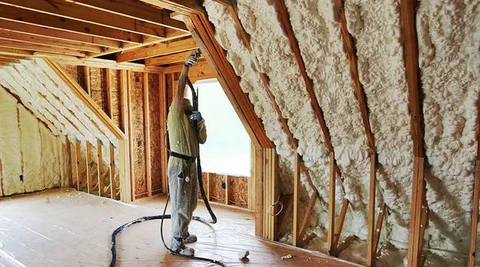
When it comes to improving comfort, reducing energy bills, and increasing the efficiency of a home, insulation plays a major role. While traditional insulation materials such as fiberglass and cellulose are still common, more homeowners are turning to spray foam insulation as a long-term solution.
Spray foam insulation creates an air-tight seal that helps prevent heat loss, reduces drafts, and improves overall indoor comfort. Whether you’re building a new home, renovating an existing property, or upgrading outdated insulation, spray foam can provide significant benefits.
In this guide, we’ll explore the top benefits of spray foam insulation and why it has become one of the most popular insulation options for residential properties.
What Is Spray Foam Insulation?
Spray foam insulation is a polyurethane-based material that expands after application. Once sprayed into walls, attics, crawl spaces, and other areas, it fills gaps and creates a durable insulating barrier.
There are two primary types of spray foam insulation:
Open-Cell Spray Foam
Open-cell foam is lightweight and flexible. It expands significantly during application and provides excellent sound reduction while helping improve energy efficiency.
Closed-Cell Spray Foam
Closed-cell foam is denser and more rigid. It offers higher insulation values, greater moisture resistance, and additional structural support. Still deciding between the two? Compare open cell vs closed cell spray foam.
Both options provide excellent performance when installed by a qualified insulation contractor.
1. Lower Energy Bills
One of the biggest reasons homeowners choose spray foam insulation is energy savings.
Traditional insulation often leaves small gaps where air can escape. These air leaks force heating and cooling systems to work harder throughout the year.
Spray foam expands to fill cracks, gaps, and hard-to-reach spaces, helping create an effective air seal.
Benefits include:
- Reduced heating costs during winter
- Lower cooling costs during summer
- Improved HVAC efficiency
- Reduced energy waste
Many homeowners notice lower monthly utility bills after upgrading to spray foam insulation.
2. Improved Indoor Comfort
Drafty rooms, uneven temperatures, and cold spots are common problems in poorly insulated homes.
Because spray foam creates a continuous barrier, it helps maintain consistent indoor temperatures throughout the house.
Homeowners often experience:
- Fewer drafts
- More comfortable living spaces
- Better temperature control
- Improved year-round comfort
This can make a significant difference during both hot summers and cold winters.
3. Superior Air Sealing
Unlike traditional insulation materials, spray foam does more than simply slow heat transfer.
It also seals gaps that allow outside air to enter the home.
Common air leakage areas include:
- Attic penetrations
- Rim joists
- Wall cavities
- Crawl spaces
- Around pipes and wiring
By reducing air infiltration, spray foam helps improve overall building performance.
4. Moisture Control
Moisture can lead to serious issues inside a home, including mold growth, mildew, and structural damage. This is especially important for crawl space insulation.
Closed-cell spray foam provides excellent moisture resistance and can help reduce the risk of water intrusion in certain areas.
Benefits include:
- Reduced condensation
- Improved moisture management
- Lower risk of mold growth
- Better protection for building materials
This makes spray foam a valuable option in humid climates and moisture-prone areas.
5. Increased Home Value
Many buyers today prioritize energy efficiency when searching for a home.
A properly insulated home can offer:
- Lower operating costs
- Improved comfort
- Better energy performance
- Modern building efficiency
These benefits may help make a property more attractive to potential buyers in the future.
6. Better Sound Reduction
Noise can easily travel through walls, floors, and ceilings in homes with insufficient insulation. For targeted noise control, add our dedicated soundproofing solutions.
Open-cell spray foam is particularly effective at reducing sound transmission.
Homeowners often install spray foam in:
- Interior walls
- Bedrooms
- Home offices
- Media rooms
- Multi-family properties
The result is a quieter and more comfortable indoor environment.
7. Long-Term Performance
Unlike some traditional insulation materials that can settle or shift over time, spray foam maintains its shape and performance for many years.
Because it adheres directly to surfaces, spray foam remains in place and continues providing insulation without significant degradation.
This durability makes it a valuable long-term investment for homeowners.
Is Spray Foam Insulation Worth It?
While spray foam insulation generally costs more upfront than fiberglass insulation, many homeowners find that the long-term benefits outweigh the initial investment. Curious about budget? See our full breakdown of how much spray foam insulation costs in 2026.
Factors that contribute to its value include:
- Lower energy costs
- Increased comfort
- Improved indoor air quality
- Reduced air leakage
- Long-lasting performance
Every home is different, which is why a professional assessment is important before selecting the best insulation solution.
Why Professional Installation Matters
Proper installation plays a major role in the effectiveness of spray foam insulation.
Experienced insulation contractors understand:
- Building science principles
- Proper foam application techniques
- Moisture management requirements
- Ventilation considerations
- Local building codes
Professional installation helps ensure the insulation performs as intended for years to come.
Contact HD Drywall & Spray Foam Insulation
At HD Drywall & Spray Foam Insulation, we provide professional spray foam insulation solutions for homeowners looking to improve comfort, energy efficiency, and long-term performance.
Whether you’re building a new home, remodeling an existing property, or upgrading outdated insulation, our team can help you determine the right insulation solution for your project.
Contact us today to request a free estimate and learn more about the benefits of spray foam insulation for your home.


