
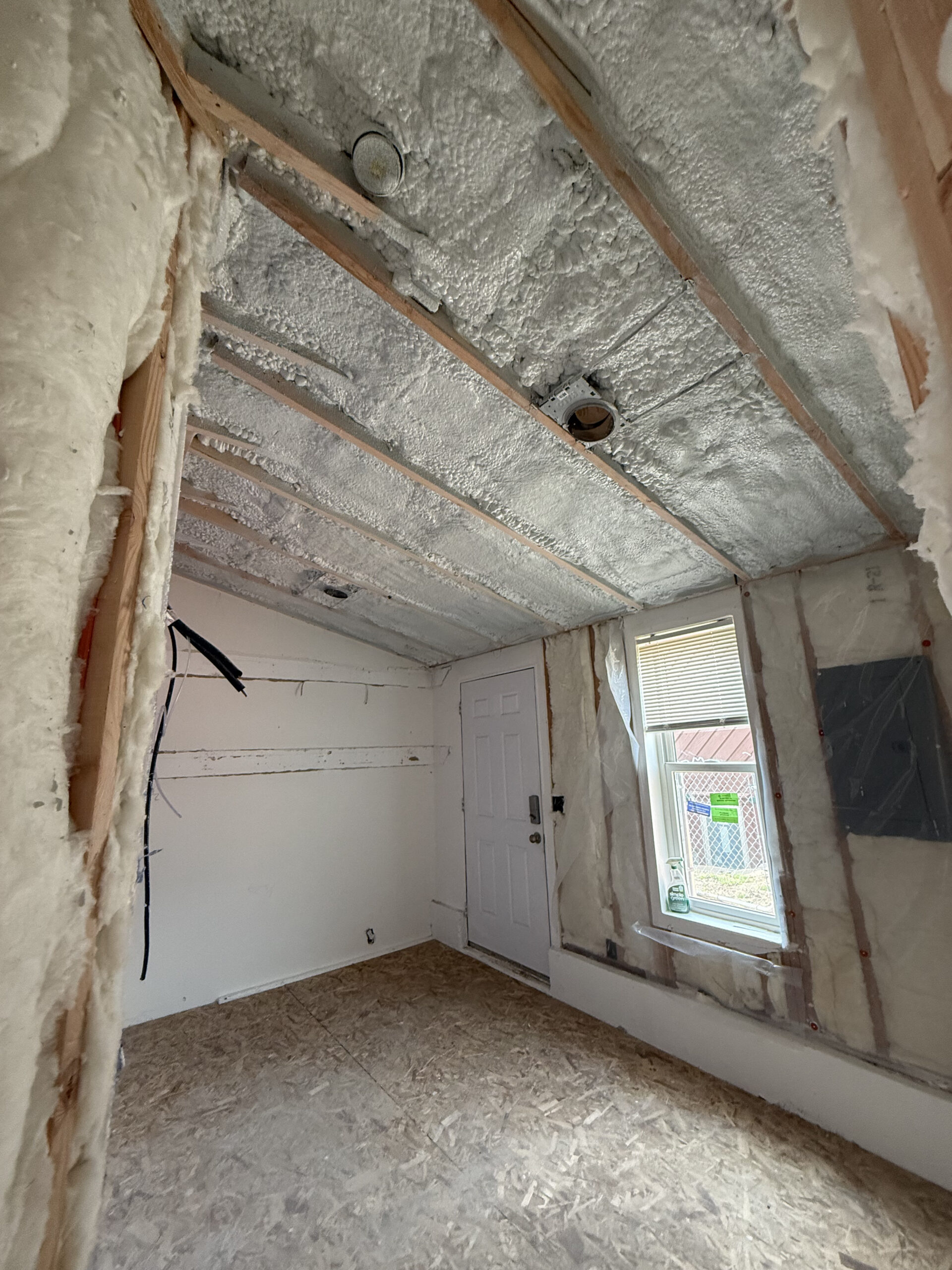
Spray foam insulation has become one of the most effective ways to improve energy efficiency, indoor comfort, and long-term building performance. However, many homeowners are unsure which type of spray foam insulation is best for their project.
The two primary options are open cell spray foam and closed cell spray foam. While both provide excellent insulation and air sealing benefits, they differ in density, performance, moisture resistance, and cost.
In this guide, we’ll compare open cell vs closed cell spray foam insulation to help homeowners make an informed decision.
What Is Open Cell Spray Foam?
Open cell spray foam is a lightweight insulation material that expands significantly after application.
Its cellular structure contains tiny interconnected air pockets, creating a soft and flexible insulation barrier.
Benefits of Open Cell Spray Foam
- Excellent air sealing capabilities
- Superior sound reduction
- Expands into small gaps and cracks
- More affordable than closed cell foam
- Ideal for interior applications
Because it expands dramatically, open cell foam can fill hard-to-reach spaces with ease.
What Is Closed Cell Spray Foam?
Closed cell spray foam is a denser and more rigid insulation material.
Unlike open cell foam, its cells are completely enclosed, creating a stronger and more moisture-resistant barrier.
Benefits of Closed Cell Spray Foam
- Higher insulation value (R-value)
- Increased moisture resistance
- Added structural strength
- Excellent air barrier performance
- Suitable for exterior and high-moisture environments
Closed cell foam is often selected for projects requiring maximum insulation performance.
Open Cell vs Closed Cell Spray Foam Comparison
| Feature | Open Cell Spray Foam | Closed Cell Spray Foam |
|---|---|---|
| Density | Lower | Higher |
| Flexibility | Soft | Rigid |
| Cost | Lower | Higher |
| Sound Reduction | Excellent | Good |
| Moisture Resistance | Moderate | Excellent |
| Structural Support | Minimal | High |
| R-Value | Lower | Higher |
Both products perform extremely well when installed correctly.
Which Option Provides Better Insulation?
Closed cell spray foam generally provides a higher R-value per inch compared to open cell foam.
This means homeowners can achieve greater thermal resistance in less space.
However, insulation performance is only one factor to consider. Open cell foam often delivers excellent overall energy efficiency due to its ability to seal air leaks effectively.
The best choice depends on your specific project requirements.
Best Applications for Open Cell Spray Foam
Open cell spray foam is commonly used in:
Interior Walls
The material helps reduce sound transfer between rooms while improving insulation performance.
Attics
Many homeowners choose open cell foam for attic insulation because of its expansion properties and affordability.
Residential Remodeling Projects
Open cell foam works well in areas where moisture exposure is limited and sound control is desired.
Best Applications for Closed Cell Spray Foam
Closed cell foam is often preferred in:
Crawl Spaces
Its moisture resistance helps protect against humidity-related issues, making it a strong choice for crawl spaces and roof decks.
Basements
Closed cell foam provides additional protection in below-grade applications.
Exterior Walls
The higher R-value and rigidity make it ideal for exterior building envelopes.
Metal Buildings
Many commercial and agricultural buildings benefit from the strength and moisture resistance of closed cell insulation.
Moisture Resistance Differences
One of the biggest differences between the two products is moisture control.
Open cell foam allows some vapor permeability, while closed cell foam acts as a stronger moisture barrier.
For areas prone to humidity or water exposure, closed cell foam is often the preferred solution.
Soundproofing Performance
If reducing noise is a priority, open cell foam typically performs better. Explore our dedicated soundproofing services.
Its softer structure absorbs sound waves more effectively, making it a popular choice for:
- Bedrooms
- Home offices
- Media rooms
- Interior partitions
Many homeowners appreciate the quieter indoor environment open cell foam can provide.
Cost Comparison
Open cell spray foam generally costs less than closed cell foam. For 2026 pricing, see our full guide to spray foam insulation cost.
The lower material density and reduced installation costs often make it the more budget-friendly option.
Closed cell foam requires more material and delivers higher performance, resulting in a higher upfront investment.
When comparing costs, homeowners should also consider long-term energy savings and performance benefits.
Which Spray Foam Insulation Is Best?
There is no universal answer. Our residential spray foam insulation team can help you choose the right fit.
Open cell spray foam may be the best choice when:
- Budget is a primary concern
- Sound reduction is important
- Interior applications are being insulated
Closed cell spray foam may be the better option when:
- Maximum R-value is required
- Moisture resistance is critical
- Additional structural strength is beneficial
An experienced insulation contractor can evaluate your property and recommend the most effective solution.
Why Professional Installation Matters
Proper installation is essential for both open cell and closed cell spray foam insulation.
Professional installers understand:
- Building envelope design
- Ventilation requirements
- Moisture management
- Proper application thickness
- Local building code requirements
Quality installation ensures long-term performance and energy efficiency.
Contact HD Drywall & Spray Foam Insulation
At HD Drywall & Spray Foam Insulation, we help homeowners choose the right insulation solution for their specific needs.
Whether you’re considering open cell spray foam, closed cell spray foam, or need expert guidance for a new construction or renovation project, our team is here to help.
Contact us today for a free estimate and professional insulation consultation.


